| Views 209.4K | Likes 19.9K | Dislikes | Comments 1.2K |
Kid Rock · 8 hours ago
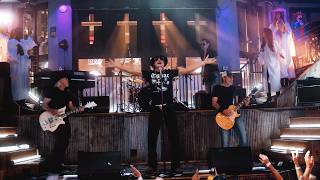
James 1:17 (Jesus Is King) - Kid Rock [Official Music Video}
Kid Rock’s new video, “James 1:17 (Jesus Is King),” is the first single from his upcoming album Halfway 2 Jesus.

James 1:17 is a Bible verse from the New Testament book of James that teaches every good thing comes from God.

The video is dedicated to Jimmie Bones and Kalvin Lynch.

Jimmie is the keyboard player of The Twisted Brown Trucker Band since inception, currently battling ALS. Kalvin has an inoperable brain tumor and his Make a Wish was to play drums with Kid Rock.

The video closes with a special clip of The Miraculous Love Kids performing the song from Pakistan. Please visit them at miraculouslovekids.org

God is good and may he show favor on them all

Credits:
Songwriters: Robert James Ritchie
Produced by: Kid Rock
Engineered by: Dan Frizsell
Mixed by: Malay and Kid Rock
Asst. Engineer: Gavin Mellberg
Lead Vocal: Kid Rock
Electric Guitar: Tom Bukovac
Electric Guitar: JD Simo
Drums: Rowan Stewart
Bass: Steven Pierce
Keyboards: Jim "Moose" Brown
Background Singer: Herschel Boone
Background Singer: Shannon Curfman
Background Singer: Amanda Gene Rowland

Label: Top Dog Records

Video Directed/Produced by Blake Judd
DP/Produced by Dustin Hyler
Edited by Matt Zervos

Video Shoot Location: Kid Rock's Honky Tonk - Nashville, TN.

Follow Kid Rock:
Website: https://kidrock.com/
Facebook:  https://www.facebook.com/kidrock
X:  https://x.com/KidRock
Instagram:  https://www.instagram.com/kidrock


