| Albums | Category | Messages | ||| |
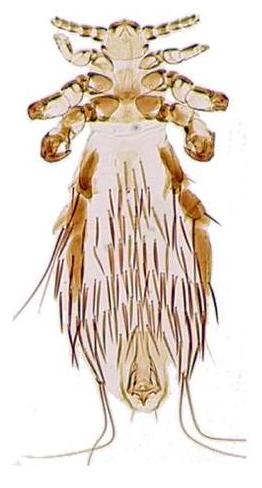
Lice are tiny, wingless parasites. They divide into two groups: chewing lice, typically infesting birds and mammals, and sucking lice, feeding off mammals exclusively. Their body color ranges from whitish and yellow to brown or black.
Rongin ยท 1 year ago
European Honey Bee (Apis mellifera)
The European honey bee, also known as the Western honey bee, holds a unique place in history. This insect was domesticated some five millennia ago. To this day, beekeepers maintain this species for honey production and pollination. Thanks to human aid, it now thrives on every continent, Antarctica aside. |
Rongin ยท 1 year ago
European Mantis (Mantis religiosa)
The European mantis, commonly known as the praying mantis, displays interesting gender characteristics. Male mantises have larger antennae and eyes than their female counterparts, and they're more agile and active. |
Rongin ยท 1 year ago
Fruit Fly (Drosophila melanogaster)
The Fruit Fly, specifically the wild type, boasts a yellow-brown body. It's marked by black rings across its abdomen - the characteristic leading to its species name, melanogaster, or "black-bellied." These flies are noted for their distinctive brick-red eyes. Sexual dimorphism is evident as males are marginally smaller, exhibiting darker backs. |
Rongin ยท 1 year ago
Mosquito (Culicidae)
The mosquito, an insect with distinguishable scales on its long and slender wings, has a swift lifecycle. In warmer climates, they reach maturity within a mere five days. After a single union with a male, females feed on blood for egg development and repeat this cycle their whole life, which can span a few weeks under the right conditions. |
Louse (Phthiraptera)