| Views 1.6M | Likes 188.8K | Dislikes | Comments 15.5K |
TXT (ν¬λͺ¨λ‘μ°λ°μ΄ν¬κ²λ) 'Angel Bite' Official MV Credits: Director: DQM Assistant Director : MonkeyChicken (Kim Dongkyu, Lee Jinseop), Kim Miseon Production: blue Executive Producer: Euis Producer: Jeong Kiwook, Yoon Damyoung, Choi Hari, Im Chaeryun PA: ASSIST Hwang Chanwon, Lee Hakyoung, Yu Hyeonseok, Kim Taehyeong, Park Seoyoon, Gong Junhyuk, Jang Mingyo, Tak Sangmin, Shin Gyuseop, Lee Dongkeun, Kim Kwanhyung DOP: Kim Kihun 1st: Lee Yeongwoo 2nd: Go Yuntae 3rd: Woo Taemin DIT: Kim Soyul Gaffer: Jo Wooyoun 1st: Cho Heedong, Park Junhwi 2nd: Lim Junhyeong, Yu Jinwoo 3rd: Choi Subin, Park Sehwan, Lee Jungeol Key Grip: Kim Sungeun, Hwang Jiin Grip Dept: Jo Hyeonseok, Lee Jumyeong, Park Beomgi, Park Jaehyuk Art Director: Jeon Eunjung, Cho Jeongyun Art assist director: Shin Hyunkyung Art team: Yoo Jaeeun, Lee Sohyun, Lim Sungyoung, Park Gwangseon, Song Myeongjin, Lee Hoonjae, Shin Hyunjun, Kim Sangjun, Kim Kwangseok, Kim Daeheung Location: Zone system Park Eunjung, Cho Kangyeol, Kim Jaehyeon Edit & 2D Graphic: Jeon Jiae DI: LUCID COLOUR Colorist: Yeom Jiyun DI Crew: Lee Seonyoung, Jeong Subin, Song Inseob DI Producer: Kim Hyunjin DI Manager: Park Heejin 2D: LOCUS Compositor: Lee Sujung, Kim Minjoo Producer: Ham Eunjung AI artwork: Lee Seungyu Sound: PigSoup.wav Kang Onewoo - Artist: TOMORROW X TOGETHER Executive Producer: Seonjeong Shin, Helena Chang Chief Producer: βhitmanβ bang Producer: Slow Rabbit Head of Creative: Boram Kim Creative Director: Luke Hyowon Choi Visual Creative: Hyesoo Lee, Seon An, Dongmin Yang, LI YANHUA, Jia Lee, Yeji Ha Performance Directing: Kingbear, Kain, HANZIO A&R: Junha Lee, Misa Lee, Sean Lee, Yerin Choi Brand Experience Design: Yeeun Kim, Yeoreum Kim, Rang Choi Creative Operation: Minhee Kim, Jiyeon Lee Hair: Enoc Lee, Kim Ri One Make Up: Seulki Noh Stylist: Jonghyun Lee Connect with TOMORROW X TOGETHER: https://txt.ibighit.com https://x.com/TXT_bighit https://x.com/TXT_members https://x.com/TXT_bighit_jp https://www.facebook.com/TXT.bighit https://www.instagram.com/txt_bighit https://www.tiktok.com/@txt.bighitent https://weverse.io/txt https://www.weibo.com/TXTbighit https://space.bilibili.com/3493085912763265/ https://v.douyin.com/i6BytSNo/ BIGHIT MUSIC. Rights are reserved selectively in the video. Unauthorized reproduction is a violation of applicable laws. Manufactured by BIGHIT MUSIC, Seoul, Korea. #ν¬λͺ¨λ‘μ°λ°μ΄ν¬κ²λ #TOMORROW_X_TOGETHER #TXT #PERFECTSTORM #AngelBite #TXT_AngelBite
Apash Β· 2 years ago
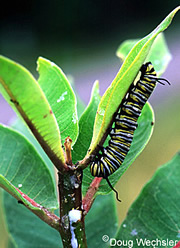
Larva (Butterfly Stage)
The larvae or in this case a caterpillar that hatches goes on an eating rampage. In this stage, they eat, moult and repeat that process constantly. After hatching the caterpillar is extremely hungry and eats constantly. The caterpillar eats its way out of the egg and then continues to eat plants in the outside world. |
Apash Β· 2 years ago
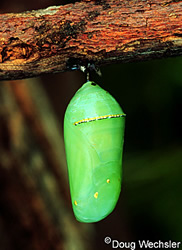
Pupa (Butterfly Stage)
The caterpillar forms a vessel around it, called the βpupaβ. Inside the pupa, the caterpillar gradually grows and develops. During this stage, the pupa creates skins around the vessel that makes the exterior hard. The chrysalis protects the pupa till it transforms into a butterfly and breaks out of the vessel. |
Apash Β· 2 years ago
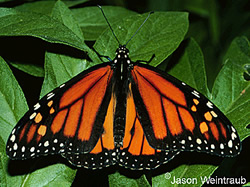
Adult (Butterfly Stage)
The most prominent stage known to human beings is the adult stage when the Chrysalis breaks out of the vessel with colourful scaly wings. At first, these scaly wings are folded against the body of the butterfly because of its brittle nature. Once it pumps blood into the wing the butterfly flies in search of food and other butterflies to mate with. After the mating is completed, the female butterfly lays eggs on a leaf or flat surface and the whole cycle begins all over again. |
Apash Β· 2 years ago
The Butterfly Life Cycle
The butterfly and moth develop through a process called metamorphosis. This is a Greek word that means transformation or change in shape. Insects have two common types of metamorphosis. Grasshoppers, crickets, dragonflies, and cockroaches have incomplete metamorphosis. The young (called a nymph) usually look like small adults but without the wings. Butterflies, moths, beetles, flies and bees have complete metamorphosis. The young (called a larva instead of a nymph) is very different from the adults. It also usually eats different types of food. There are four stages in the metamorphosis of butterflies and moths: egg, larva, pupa, and adult. |
Apash Β· 2 years ago
Male papilio glaucus
Papilio glaucus, the eastern tiger swallowtail, is a species of butterfly native to eastern North America. It is one of the most familiar butterflies in the eastern United States,[3] ranging north to southern Ontario, Canada,[4] and is common in many different habitats. It flies from spring until fall, during which it produces two to three broods. Adults feed on the nectar of many species of flowers, mostly from those of the families Apocynaceae, Asteraceae, and Fabaceae. P. glaucus has a wingspan measuring 7.9 to 14 cm (3.1 to 5.5 in). The male is yellow with four black "tiger stripes" on each forewing. Females may be either yellow or black, making them dimorphic. The yellow morph is similar to the male, but with a conspicuous band of blue spots along the hindwing, while the dark morph is almost completely black. |
Apash Β· 2 years ago
Female papilio glaucus
Papilio glaucus, the eastern tiger swallowtail, is a species of butterfly native to eastern North America. It is one of the most familiar butterflies in the eastern United States,[3] ranging north to southern Ontario, Canada,[4] and is common in many different habitats. It flies from spring until fall, during which it produces two to three broods. Adults feed on the nectar of many species of flowers, mostly from those of the families Apocynaceae, Asteraceae, and Fabaceae. P. glaucus has a wingspan measuring 7.9 to 14 cm (3.1 to 5.5 in). The male is yellow with four black "tiger stripes" on each forewing. Females may be either yellow or black, making them dimorphic. The yellow morph is similar to the male, but with a conspicuous band of blue spots along the hindwing, while the dark morph is almost completely black. |
Apash Β· 2 years ago
Swallowtail butterfly
Swallowtail butterflies are large, colorful butterflies in the family Papilionidae, and include over 550 species. Though the majority are tropical, members of the family inhabit every continent except Antarctica. The family includes the largest butterflies in the world, the birdwing butterflies of the genus Ornithoptera.[1] |
Apash Β· 2 years ago
Automeris io
Automeris io, the Io moth (EYE-oh) or peacock moth, is a colorful North American moth in the family Saturniidae.[5][6] The Io moth is also a member of the subfamily Hemileucinae.[7] The name Io comes from Greek mythology in which Io was a mortal lover of Zeus.[8] The Io moth ranges from the southeast corner of Manitoba and in the southern extremes of Ontario, Quebec, New Brunswick and Nova Scotia in Canada, and in the US it is found from Montana, North Dakota, South Dakota, Nebraska, Colorado, New Mexico, Texas, Utah, east of those states and down to the southern end of Florida.[9] The species was first described by Johan Christian Fabricius in 1775. |
Apash Β· 2 years ago
Deilephila elpenor
Deilephila elpenor, the elephant hawk moth or large elephant hawk moth,[2] is a moth in the family Sphingidae. Its common name is derived from the caterpillar's resemblance to an elephant's trunk.[3] It is most common in central Europe and is distributed throughout the Palearctic region.[4] It has also been introduced in British Columbia, Canada. Its distinct olive and pink colouring makes it one of the most recognisable moths in its range.[5] However, it is quite easy to confuse the elephant hawk moth with the small elephant hawk moth, a closely related species that also shares the characteristic colours.[6] |
28103