The site tips.wapka.site
T I P S
Albums Category Messages |||
WHY DON’T WE JUST SWITCH TO AN ALTERNATIVE VEGETABLE OIL
Mirazz · 1 year ago
WHY DON’T WE JUST SWITCH TO AN ALTERNATIVE VEGETABLE OIL
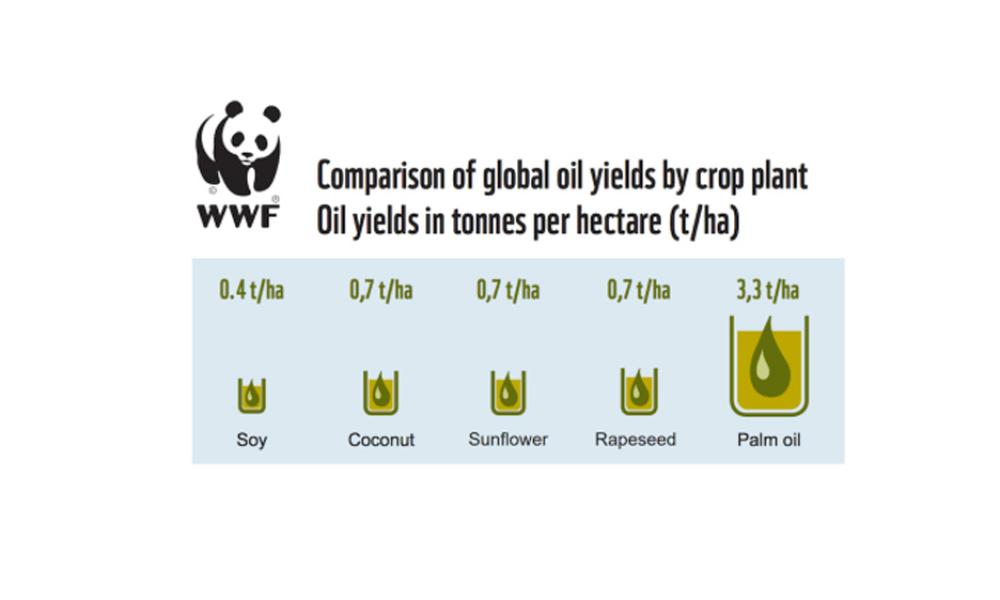
Palm oil is an incredibly efficient crop, producing more oil per land area than any other equivalent vegetable oil crop. Globally, palm oil supplies 40% of the world’s vegetable oil demand on just under 6% of the land used to produce all vegetable oils. To get the same amount of alternative oils like soybean, coconut, or sunflower oil you would need anything between 4 and 10 times more land, which would just shift the problem to other parts of the world and threaten other habitats, species and communities. Furthermore, there are millions of smallholder farmers who depend on producing palm oil for their livelihoods. Boycotting palm oil is not the answer. Instead, we need to demand more action to tackle the issues and go further and faster.
Mirazz · 1 year ago
Published on 2024-12-10 12:18:50
ID NUMBER: 126445
THINGS TO KNOW ABOUT PALM OIL (0)
  • Palm oil is an incredibly efficient crop, producing more oil per land area than any other equivalent vegetable oil crop. Globally, palm oil supplies 40% of the world’s vegetable oil demand on just under 6% of the land used to produce all vegetable oils. To get the same amount of alternative oils like soybean, coconut, or sunflower oil you would need anything between 4 and 10 times more land, which would just shift the problem to other parts of the world and threaten other habitats, species and communities. Furthermore, there are millions of smallholder farmers who depend on producing palm oil for their livelihoods. Boycotting palm oil is not the answer. Instead, we need to demand more action to tackle the issues and go further and faster.
  • Admin · 1 year ago

    WHAT IS PALM OIL

    It’s an edible vegetable oil that comes from the fruit of oil palm trees, the scientific name is Elaeis guineensis. Two types of oil can be produced; crude palm oil comes from squeezing the fleshy fruit, and palm kernel oil which comes from crushing the kernel, or the stone in the middle of the fruit. Oil palm trees are native to Africa but were brought to South-East Asia just over 100 years ago as an ornamental tree crop. Now, Indonesia and Malaysia make up over 85% of global supply but there are 42 other countries that also produce palm oil.

    Admin · 1 year ago

    WHY IS PALM OIL EVERYWHERE

    Palm oil is an extremely versatile oil that has many different properties and functions that makes it so useful and so widely used. It is semi-solid at room temperature so can keep spreads spreadable; it is resistant to oxidation so can give products a longer shelf-life; it’s stable at high temperatures so helps to give fried products a crispy and crunchy texture; and it’s also odourless and colourless so doesn’t alter the look or smell of food products. In Asian and African countries, palm oil is used widely as a cooking oil, just like we might use sunflower or olive oil here in the UK.
    
    As well as being versatile, compared to other vegetable oils the oil palm is a very efficient crop, able to produce high quantities of oil over small areas of land, almost all year round. This makes it an attractive crop for growers and smallholders, who can rely on the steady income that palm oil provides.

    Admin · 1 year ago

    WHAT SOLUTIONS ARE THERE

    Palm oil can be produced more sustainably and there is a role for companies, governments, and consumers to play. The Roundtable on Sustainable Palm Oil  or RSPO was formed in 2004 in response to increasing concerns about the impacts palm oil was having on the environment and on society. The RSPO has production standards for growers that set best practices for producing and sourcing palm oil, and it has the buy-in of most of the global industry. RSPO encourage companies to: 
    
    Set robust policies to remove deforestation, conversion of other natural ecosystems, such as peatlands, and human rights abuses from their supply chains 
    Buy and use RSPO certified palm oil across their operations globally 
    Be transparent in their use and sourcing of palm oil ensuring they know who they are buying from and where it’s been produced 
    It is important that the palm oil industry continues to invest in and grow support for and smallholder programmes and sustainable landscape initiatives. WWF is also working with governments in both palm oil using and palm oil producing countries to make sure that national laws are in place to ensure that any palm oil traded is free of deforestation, conversion and exploitation.

    Mirazz · 1 year ago

    WHY DON’T WE JUST SWITCH TO AN ALTERNATIVE VEGETABLE OIL

    Palm oil is an incredibly efficient crop, producing more oil per land area than any other equivalent vegetable oil crop. Globally, palm oil supplies 40% of the world’s vegetable oil demand on just under 6% of the land used to produce all vegetable oils. To get the same amount of alternative oils like soybean, coconut, or sunflower oil you would need anything between 4 and 10 times more land, which would just shift the problem to other parts of the world and threaten other habitats, species and communities. Furthermore, there are millions of smallholder farmers who depend on producing palm oil for their livelihoods. Boycotting palm oil is not the answer. Instead, we need to demand more action to tackle the issues and go further and faster.

    Mirazz · 1 year ago

    CAN I TRUST RSPO CERTIFIED PRODUCTS

    The RSPO is the global standard for the sustainable production of palm oil. When palm oil is produced in adherence to RSPO standards, growers help to protect the environment and the local communities who depend on the crop for their livelihoods, so that palm oil can continue to play a key role in food security, economic development, and food supply chains. We should continue to use RSPO certified sustainable palm oil in products, as replacing it would result in more deforestation and natural habitat conversion. RSPO certified products that use palm oil from ‘Segregated’ or ‘Identity Preserved’ supply chains offer the greatest assurance of sustainable palm oil.
    
    Along with other organisations, WWF plays an active role in influencing and shaping the RSPO standard to make sure it puts in place more safeguards for people and the planet. In November 2018, the RSPO standard was strengthened and it now represents an essential tool that can help companies achieve their commitments to palm oil that is free of deforestation, conversion of other natural habitats like peatlands, and the exploitation of people.

    Mirazz · 1 year ago

    WHY DON’T WE JUST SWITCH TO AN ALTERNATIVE VEGETABLE OIL

    Palm oil is an incredibly efficient crop, producing more oil per land area than any other equivalent vegetable oil crop. Globally, palm oil supplies 40% of the world’s vegetable oil demand on just under 6% of the land used to produce all vegetable oils. To get the same amount of alternative oils like soybean, coconut, or sunflower oil you would need anything between 4 and 10 times more land, which would just shift the problem to other parts of the world and threaten other habitats, species and communities. Furthermore, there are millions of smallholder farmers who depend on producing palm oil for their livelihoods. Boycotting palm oil is not the answer. Instead, we need to demand more action to tackle the issues and go further and faster.


    WHY DON’T WE JUST SWITCH TO AN ALTERNATIVE VEGETABLE OIL
    Albums Category Members Messages
    Login
    HELP CENTER :-: GO TO TOP
    tips.wapka.site
    Copyright © 2026 All Rights Reserved
    Powered by wapka.org