Prev5960616263Next
Anila Β· 1 year ago
Leh-Ladakh, Jammu and Kashmir
Nestled amidst the majestic Himalayas, Leh-Ladakh is a paradise on earth. In May, as the snow starts to melt, the rugged landscapes come alive with vibrant hues of greenery. Explore the ancient monasteries perched atop hills, ride through the winding roads of Khardung La, the highest motorable pass in the world, or simply soak in the tranquility of Pangong Lake. May offers an ideal climate with mild temperatures, making it the perfect time to indulge in adventure sports like trekking and river rafting. |
Anila Β· 1 year ago
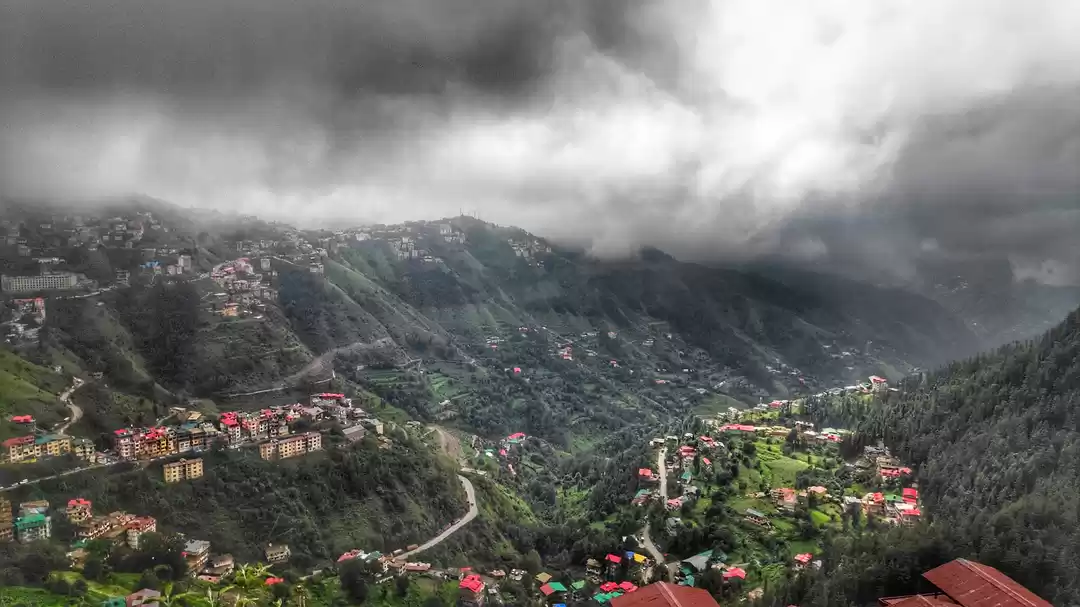
Shimla, Himachal Pradesh
Escape the scorching heat and retreat to the charming hill station of Shimla in Himachal Pradesh. Surrounded by snow-capped peaks and lush greenery, Shimla exudes an old-world charm that will transport you to a bygone era. Take a leisurely stroll along the Mall Road, visit the Viceregal Lodge, or embark on a scenic toy train ride to experience the breathtaking vistas of the Himalayas. May brings cool and pleasant weather to Shimla, making it an ideal destination for a refreshing getaway. |
Anila Β· 1 year ago
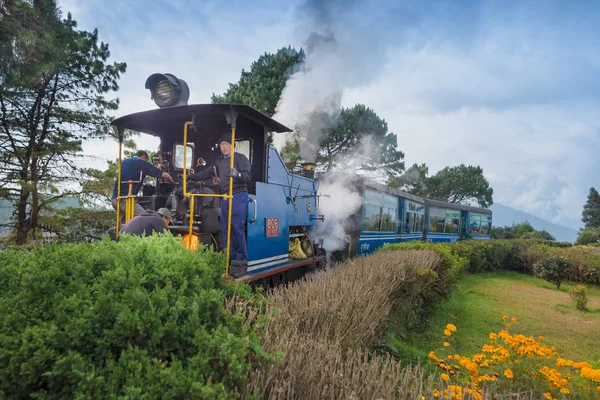
Darjeeling, West Bengal
Renowned for its sprawling tea estates and panoramic views of the Kanchenjunga range, Darjeeling is a hill station that promises a rejuvenating retreat in May. Sip on a cup of freshly brewed Darjeeling tea as you soak in the breathtaking sunrise from Tiger Hill or embark on a joyous ride on the Darjeeling Himalayan Railway, fondly known as the "Toy Train." With temperatures hovering around the comfortable range, May offers the perfect climate to explore the lush greenery and colonial charm of Darjeeling. |
Anila Β· 1 year ago
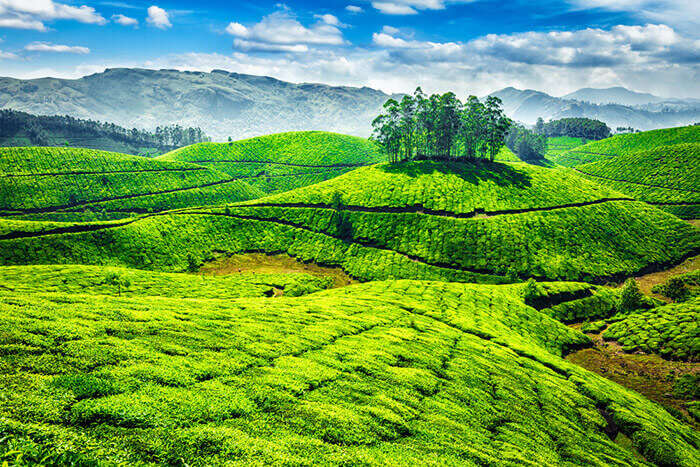
Munnar, Kerala
Tucked away in the Western Ghats, Munnar is a tranquil haven blessed with verdant tea plantations, mist-covered hills, and cascading waterfalls. May marks the onset of the monsoon season in Kerala, transforming Munnar into a lush green paradise. Explore the sprawling tea estates, take a refreshing dip in the pristine waters of Attukal Waterfalls, or embark on a nature walk through the Eravikulam National Park to spot the endangered Nilgiri Tahr. With cool temperatures and occasional showers, Munnar in May is a treat for the senses. |
Anila Β· 1 year ago
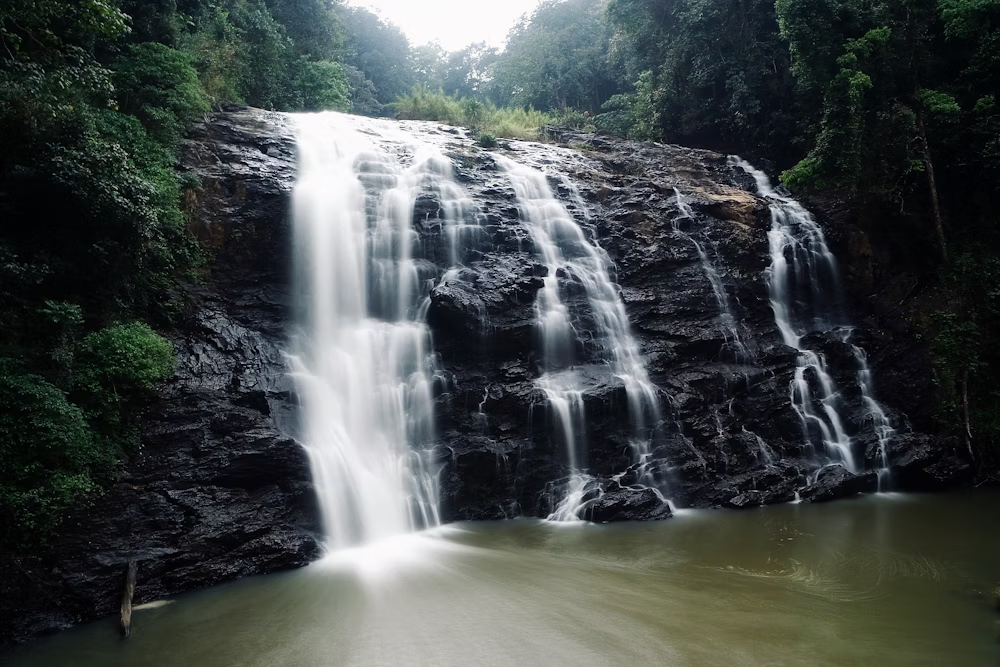
Coorg, Karnataka
Known as the "Scotland of India," Coorg is a picturesque hill station nestled in the Western Ghats of Karnataka. May heralds the onset of the monsoon season in Coorg, bringing relief from the summer heat and rejuvenating the lush green landscapes. Explore the aromatic coffee plantations, trek to the mesmerizing Abbey Falls, or simply unwind amidst the serene surroundings of this idyllic destination. With its pleasant weather and mist-covered hills, Coorg in May offers a tranquil escape from the hustle and bustle of city life. |
Anila Β· 1 year ago
Nainital, Uttarakhand
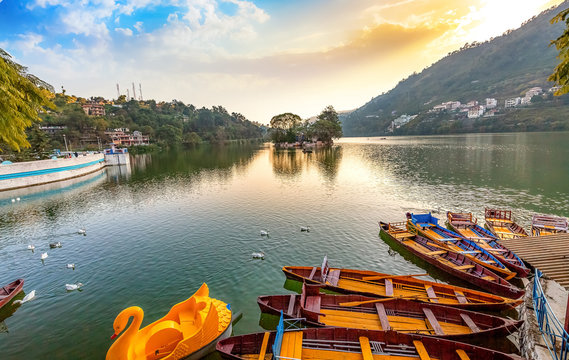
Perched amidst the Kumaon hills, Nainital is a charming hill station dotted with emerald lakes and towering peaks. May marks the beginning of the tourist season in Nainital, with pleasant weather and clear skies attracting visitors from far and wide. Take a boat ride on the shimmering waters of Naini Lake, visit the historic Naina Devi Temple, or trek to the scenic viewpoints of Snow View and Tiffin Top for panoramic vistas of the Himalayas. With its cool temperatures and refreshing breeze, Nainital in May is a delightful escape into nature's embrace. |
Anila Β· 1 year ago
Ooty, Tamil Nadu
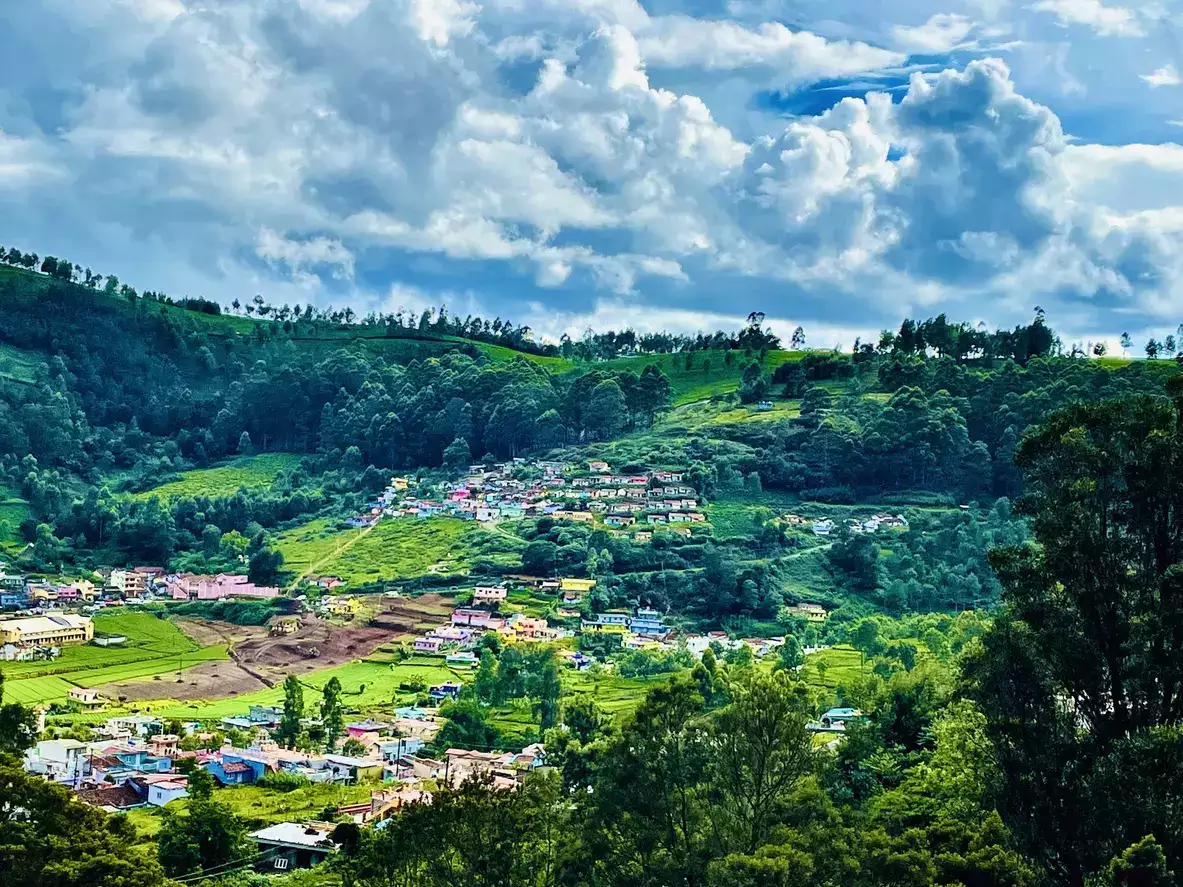
Fondly referred to as the "Queen of Hill Stations," Ooty is a picturesque destination nestled in the Nilgiri Hills of Tamil Nadu. May marks the onset of the pre-monsoon showers in Ooty, rejuvenating the lush green landscapes and carpeting the hillsides with vibrant blooms. Explore the serene Ooty Lake, stroll through the botanical gardens, or hop aboard the Nilgiri Mountain Railway for a scenic joyride through the mist-covered hills. With its pleasant weather and blooming flora, Ooty in May offers a delightful retreat for nature lovers and adventure enthusiasts alike. |
Mypix Β· 1 year ago
Gargoyle of Notre-Dame de Paris
The cathedral Notre-Dame de Paris is one of the most enduring symbols of the French capital city. Hugo conceived of The Hunchback of Notre Dame as a story of the cathedral itself and devoted two chapters of the novel to describing it. He focused primarily on the Gothic architectural elements of the structure, including its flying buttresses, clerestory windows, and stained glass. Hugo identified Gothic architecture as the bearer of the cultural heritage of France and argued that, as such, it should be protected. At the time that the novel was written (between 1828 and 1831), Paris was verging on major changes that cumulatively threatened to destroy much of its cultural heritage. The French Revolution had resulted in the desacralization, decay, and consequent destruction of many Gothic cathedrals and churches. In the July Revolution of 1830, the French people expressed a desire to liberate themselves from the past. This uprising was driven by a condemnation of the forms and institutions associated with the traditional monarchical regime, and its leaders sought a new way forward. |
Mypix Β· 1 year ago
Notre-Dame de Paris
In The Hunchback of Notre Dame, Hugo recreates the vibrant, intense atmosphere of 15th-century life to remind his readers of the splendor and significance of Parisβs Gothic past. The book doubles as a plea for the preservation of the cityβs historic Gothic architecture (and thus its heritage). His plea was met with great success. The first printing, by publisher Charles Gosselin, was distributed in four issues of 275 copies each, and the novel was instantly, incredibly popular. Many thousands of printings followed. The Hunchback of Notre Dame circulated widely, inspiring illustrations by lithographers, painters, book illustrators, and even cartoonists. Images from the novel (especially images of the cathedral) became known to individuals at all levels of society. Notre-Dame de Paris became a French national icon, and the proliferation of images of the cathedral helped revive the use and prestige of Gothic forms. An extensive program of renovation, overseen by French restoration specialist EugΓ¨ne-Emmanuel Viollet-le-Duc, was undertaken in the mid-1840s, and in the latter half of the 19th century Gothic monuments began to regain their religious significance. |
Mypix Β· 1 year ago
The Hunchback of Notre Dame
The Hunchback of Notre Dame has been adapted several times for the stage and screen. One of the most notable film versions was directed by William Dieterle; it was released in 1939 and starred Charles Laughton and Maureen OβHara, though its happy ending diverged significantly from Hugoβs novel. Other screen adaptations include a 1923 silent film featuring Lon Chaney and a 1956 version starring Anthony Quinn and Gina Lollobrigida. |
Prev370371372373374375376...601Next